
Call us now :07971671031
 Send Inquiry
 Send Inquiry
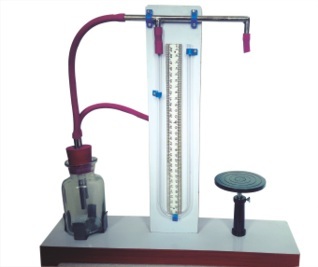
Torsion Apparatus Horizontal
Price 1400 INR/ Piece
MOQ : 1400 Pieces
Torsion Apparatus Horizontal Specification
- Measurement Range
- 0 to 5 Nm
- Feature
- High accuracy, durable, corrosion-resistant, easy specimen mounting
- Temperature Range
- Ambient, not applicable
- Automation Grade
- Manual
- Model No
- TA-HZ-3256
- Capacity
- Up to 5 Nm (Newton-meters)
- Accuracy
- 1% of reading
- Power Source
- Not required (manual/mechanical)
- Frequency
- Manual operation (Not electrical/Not frequency-dependent)
- Core Components
- Base, restoring couple arm, graduated scale, specimen holders, test rod
- Equipment Materials
- Mild Steel Frame, high-grade steel specimens, polished brass/aluminum components
- Type
- Horizontal Torsion Apparatus
- Usage
- For determining modulus of rigidity of materials, laboratories, educational institutes
- Display Type
- Analog scale (Graduated disc or pointer)
- Dimension (L*W*H)
- Approx. 700 x 120 x 150 mm
- Weight
- Approx. 7-10 kg
- Support Stand
- Heavy base for stability
- Specimen Diameter
- 3 to 8 mm
- Specimen Length
- 350 mm typical
- Application
- Engineering labs, physics experiments, educational demonstrations
- Finish
- Powder-coated frame
- Pointer Type
- Knife edge pointer for precise reading
Torsion Apparatus Horizontal Trade Information
- Minimum Order Quantity
- 1400 Pieces
- Payment Terms
- Cash Advance (CA), Cash in Advance (CID)
- Main Export Market(s)
- Australia, Central America, North America, South America, Eastern Europe, Western Europe, Africa
About Torsion Apparatus Horizontal
KFW- Torsion App mtr. Horizontal Cast iron feet.
- Two rods one used in it groove moving on ball bearing.
- Two brass scales graduated in single degree, mounted on pillar supported.
KFW-P98 A Torsion App 1mtr. Horizontal Cast iron feet.
- Two rods one used in it groove moving on ball bearing.
- Two brass scales graduated in single degree, mounted on pillar supported.
Engineered for Precision and Stability
Equipped with a heavy base and powder-coated frame, the apparatus minimizes vibrations, ensuring reliable results even during repeated use. The precise knife-edge pointer and analog graduated scale offer high visibility and accurate measurement every time.
Versatile Applications in Education and Research
Ideal for engineering laboratories, physics experiments, and academic demonstrations, this manual torsion apparatus enables students and researchers to determine the modulus of rigidity for various materials, fostering hands-on learning and data-driven insights.
Robust, User-Friendly Construction
Constructed from high-quality materials such as mild steel and polished brass or aluminum, the apparatus is built to last. Its corrosion-resistant finish and straightforward specimen mounting design make setup and maintenance hassle-free, even in demanding lab environments.
FAQ's of Torsion Apparatus Horizontal:
Q: How do you use the Horizontal Torsion Apparatus to determine the modulus of rigidity?
A: To determine the modulus of rigidity, securely mount a specimen (3-8 mm diameter, 350 mm long) using the specimen holders. Apply a known torque manually with the restoring couple arm, then record the resulting angular deflection using the analog scale and knife-edge pointer. Use the formula and readings to calculate the modulus of rigidity.Q: What types of specimens are compatible with this torsion apparatus?
A: This apparatus accepts round rod specimens with diameters ranging from 3 to 8 mm and a typical length of 350 mm. High-grade steel test rods are commonly used, but specimens of similar size in brass or aluminum are also compatible for different experimental needs.Q: Where is this torsion apparatus commonly used?
A: It is widely used in engineering labs, physics departments of educational institutes, and training facilities that require accurate measurement of material rigidity. Its robust design makes it suitable for frequent use in both educational demonstrations and research applications.Q: What are the main benefits of using a manual, horizontal torsion apparatus?
A: Manual operation adds simplicity, removing dependence on electricity and reducing maintenance. The horizontal design offers enhanced stability, and the analog display coupled with the knife-edge pointer enables precise, easily readable measurements. The apparatus is also durable, corrosion-resistant, and easy to transport.Q: When is calibration or maintenance necessary for this equipment?
A: Routine visual inspection should be done before each use. Calibration is recommended periodically, especially after extended usage or specimen changes. Ensure all mechanical parts move smoothly and that the graduated scale and pointer read accurately for consistent, reliable results.Q: What makes this torsion apparatus especially accurate and reliable?
A: The apparatus provides 1% reading accuracy due to its knife-edge pointer and graduated scale. The heavy base, robust construction, and high-quality materials reduce external influences, ensuring repeatable and dependable data throughout experiments.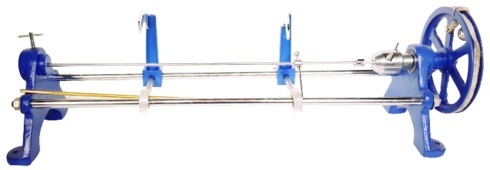
Tell us about your requirement

Price:
Quantity
Select Unit
- 50
- 100
- 200
- 250
- 500
- 1000+
Additional detail
Mobile number
Email

More Products in Physics Lab Equipments Category
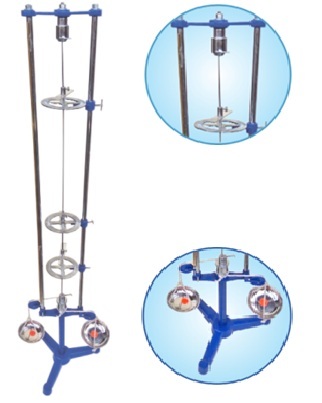
Torsion Apparatus Vertical
Price 2800 INR / Piece
Minimum Order Quantity : 1 Piece
Model No : TAV3256
Automation Grade : Manual
Usage : Laboratory measurement of modulus of rigidity by torsion
Feature : High precision, Rigid construction, Easy to use
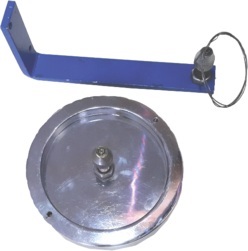
Torsion Pendulum
Price 1200 INR / Piece
Minimum Order Quantity : 1 Piece
Model No : TP01
Automation Grade : Manual
Usage : Educational, Laboratory, Demonstration Purpose
Feature : Manual Operation, High Precision, Rust Resistant Parts
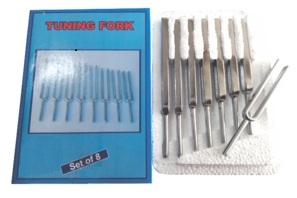
Tuning Fork
Price 300 INR / Set
Minimum Order Quantity : 1 Piece
Model No : Standard (as per frequency selection)
Automation Grade : Manual
Usage : Laboratory, Medical, Educational, and Sound Testing
Feature : Corrosion Resistant, Durable, Accurately Calibrated
Jaggers Apparatus
Model No : JaggersAppSTD
Automation Grade : Manual
Usage : Demonstration of electrical discharge, dielectric breakdown of air, and electric field in physics labs
Feature : Adjustable spark gap, sturdy construction for repeated use, visible spark demonstration

 Send Inquiry


Our Products
- Slit Lamp Ophthalmic Equipment
- Slit Lamp
- Surgical Equipments
- Laboratories Instruments Equipment
- Microscopes
- Scientific Instruments
- ENT Equipment
- Pharmacy instrument equipment
- Pathological Equipment
- Physics Lab Equipments
- Physics instruments
- Laboratory Glassware
- Digital Polarimeter
- Microprocessor Viscometer
- Double Beam UV-VIS Spectrophotometer
- Single Beam UV-Vis Spectrophotometer
- Kitchen equipments
- Dental Equipment
- Chapati Making Machines
- Water Heating System OR Hamam
- High Performance Liquid Chromatography Systems
- Chemistry
- Equipment Accessories
- Gynecology Equipment


B.O : 5430/3, Anaj Mandi, Science Market, Near Nigar Cinema,
R.O : 102-B Ram Nagar,Ambala Cantt - 133001, Haryana, India

Mr VISHAL KUMAR
(Managing Director)
Mobile :07971671031
 Send Inquiry
Developed and Managed by Infocom Network Private Limited.
