
Call us now :07971671031
 Send Inquiry
 Send Inquiry
Desiccators
Desiccators Specification
- Capacity
- Varies from 250 ml to 27 liters
- Feature
- High chemical resistance, airtight seal, transparent for sample observation
- Automation Grade
- Manual
- Temperature Range
- Ambient to 150°C
- Accuracy
- Airtight seal ensures low humidity
- Measurement Range
- Moisture content reduction to near-zero
- Core Components
- Lid, Base, Gasket, Stopcock (for vacuum type)
- Model No
- Various models available (Standard/Vacuum)
- Equipment Materials
- Borosilicate glass lid, Polycarbonate/plastic body, Silicone or neoprene gasket
- Type
- Standard, Vacuum Desiccator
- Usage
- Moisture removal, dry storage, laboratory sample protection
- Display Type
- Analog/Manual
- Dimension (L*W*H)
- Varies with model; typically 150mm to 400mm diameter
- Weight
- 1.5 kg to 12 kg
- Gasket
- Silicone/neoprene for airtightness
- Recommended Application
- Chemical, pharmaceutical, biological, educational laboratories
- Lid Type
- Borosilicate Glass (Standard), Polycarbonate/Plastic (Economy)
- Sample Holder Compatibility
- Porcelain plate/sample tray included
- Stopcock
- PTFE or glass stopcock for vacuum models
- Surface Finish
- Smooth, easy to clean
- Colour
- Transparent/White
- Max Vacuum
- Up to -700 mm Hg (for vacuum models)
- Shape
- Circular
About Desiccators
Under able guidance of our skilled engineers and technicians, we are able to manufacture and export a wide range ofDesiccators. We fabricate these products by making use of premium quality material, which is procured from reliable vendors of the market. Owing to the superior quality and cost-effective prices of these products, we have been able to earn goodwill across the globe. Clients can avail these quality-approved products using easy and simple payment options. Some of the features of our products are mentioned below:
- Durability
- Quality assured
- Cost effectiveness
Exceptional Airtightness and Durability
Built with high-quality materials such as borosilicate glass lids and chemically resistant bodies, these desiccators guarantee reliable performance in moisture-sensitive laboratory processes. With silicone or neoprene gaskets and precision stopcocks, even vacuum-sensitive applications benefit from their airtight seal and dependable humidity control.
Designed for Versatile Laboratory Applications
Suitable for chemical, biological, educational, and pharmaceutical laboratories, these desiccators accommodate a variety of sample storage and drying needs. Their substantial temperature tolerance (ambient to 150C) and multiple capacities ensure they fit seamlessly into diverse workflows, making them ideal for everyday laboratory routines and specialized procedures alike.
User-Friendly, Cleanable, and Observable
A transparent or white finish, smooth surfaces, and included porcelain plates make sample monitoring, cleaning, and maintenance straightforward. The analog/manual operation keeps control in your hands, while sample trays support organized storage, ensuring your lab stays efficient and contamination-free.
FAQs of Desiccators:
Q: How do I properly use a vacuum desiccator for moisture removal?
A: Place your samples on the included porcelain plate or tray inside the desiccator. Ensure the silicone or neoprene gasket is properly seated for an airtight seal. For vacuum models, connect the PTFE or glass stopcock to a suitable vacuum pump and reduce pressure to your desired level, up to -700 mm Hg. Always monitor pressure and ensure a gradual release to avoid sample disturbance.Q: What advantages does a borosilicate glass lid offer for standard desiccators?
A: Borosilicate glass lids provide excellent chemical resistance and clarity, allowing safe observation of stored samples while resisting chemical corrosion and thermal shock. This makes them ideal for laboratory environments that require both durability and visibility.Q: When should I choose a vacuum desiccator over a standard one?
A: Opt for a vacuum desiccator when you require accelerated drying or moisture removal at lower humidity than air alone can provide. Vacuum desiccators are particularly effective for sensitive biological, chemical, or pharmaceutical samples that demand minimal atmospheric moisture.Q: Where can these desiccators be effectively used?
A: They are recommended for chemical, pharmaceutical, biological, and educational labs. Their robust construction and chemical resistance make them versatile for storing reagents, protecting sensitive samples, and ensuring dry storage in various scientific environments.Q: What is the cleaning process for maintaining desiccator hygiene?
A: Disassemble removable parts, such as the lid, gasket, and stopcock. Clean all surfaces with mild laboratory detergent and rinse thoroughly with distilled water. Dry completely before reassembly to maintain airtightness and prevent contamination.Q: What benefits does the airtight seal provide to laboratory samples?
A: An airtight seal, ensured by silicone or neoprene gaskets and secure stopcocks, prevents external moisture from entering, thus maintaining a low-humidity environment and protecting samples from degradation, contamination, or reaction with atmospheric water vapor.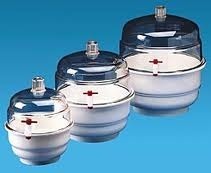
Tell us about your requirement

Price:
Quantity
Select Unit
- 50
- 100
- 200
- 250
- 500
- 1000+
Additional detail
Mobile number
Email

More Products in Scientific Instruments Category
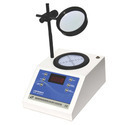
Digital Colony Counters
Equipment Materials : ABS Body, Glass Grid Plate
Feature : Audio beep with each count, adjustable focusing, ergonomic design
Capacity : Up to 9999 counts
Type : Digital Laboratory Colony Counter
Frequency : 50 Hz
Automation Grade : Manual Operation
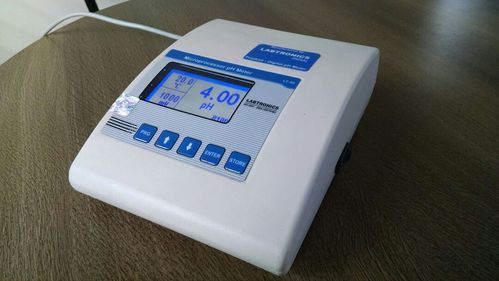
Microprocessor Based Ph/temp/mv Meter (graphical Display)
Equipment Materials : ABS Plastic Body
Feature : Auto Calibration, Data Storage, pH/mV/Temp Measurement
Capacity : 1 to 2 samples at a time
Type : Microprocessor Based Meter
Frequency : 50 Hz
Automation Grade : Automatic
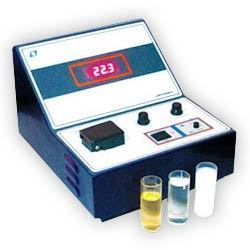
Digital Turbidity Meters
Equipment Materials : ABS Plastic housing
Feature : Auto Calibration, High Accuracy, Low Maintenance
Capacity : Up to 1000 NTU
Type : Portable/Bench Top
Frequency : 50 Hz
Automation Grade : SemiAutomatic
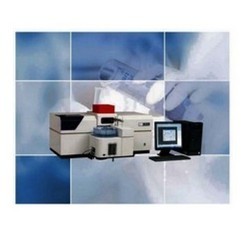
Atomic Absorption Spectrophotometer
Equipment Materials : Corrosionresistant, Stainless Steel Housing
Feature : Autoignition, Safety Interlock, Computer Interface, Adjustable Flame
Capacity : Single, Double & Four Burner (Optional)
Type : Atomic Absorption Spectrophotometer
Frequency : 50/60 Hz
Automation Grade : Semiautomatic (Manual & PC Control)

 Send Inquiry


Our Products
- Slit Lamp Ophthalmic Equipment
- Slit Lamp
- Surgical Equipments
- Laboratories Instruments Equipment
- Microscopes
- Scientific Instruments
- ENT Equipment
- Pharmacy instrument equipment
- Pathological Equipment
- Physics Lab Equipments
- Physics instruments
- Laboratory Glassware
- Digital Polarimeter
- Microprocessor Viscometer
- Double Beam UV-VIS Spectrophotometer
- Single Beam UV-Vis Spectrophotometer
- Kitchen equipments
- Dental Equipment
- Chapati Making Machines
- Water Heating System OR Hamam
- High Performance Liquid Chromatography Systems
- Chemistry
- Equipment Accessories
- Gynecology Equipment


B.O : 5430/3, Anaj Mandi, Science Market, Near Nigar Cinema,
R.O : 102-B Ram Nagar,Ambala Cantt - 133001, Haryana, India

Mr VISHAL KUMAR
(Managing Director)
Mobile :07971671031
 Send Inquiry
Developed and Managed by Infocom Network Private Limited.
