
Call us now :07971671031
 Send Inquiry
 Send Inquiry
Human Torso with parts
Human Torso with parts Specification
- Automation Grade
- Manual
- Core Components
- Torso, Removable Organs (Heart, Lungs, Liver, Intestines, Stomach, Kidney, etc.)
- Power Source
- Not Required
- Dimension (L*W*H)
- Approx. 85 cm x 38 cm x 25 cm
About Human Torso with parts
Human Torso with parts
We supply and export human torso model to our customers that enhances their knowledge.
Hand painted in vivid and natural colours
ABS Base
Fully illustrated colour
Instructional manual
FAQs of Human Torso with parts:
Comprehensive Anatomy in a Hands-On Model
The Human Torso with parts is meticulously crafted to offer accurate anatomical understanding. By enabling learners to physically explore removable organs, this model bridges theoretical knowledge with practical application. Built to last, it supports repeated use in a variety of educational contexts, including schools, colleges, and medical training institutes.
Easy-to-Use and Maintenance-Free
With its manual design and absence of electrical components, this torso model requires no power source nor routine maintenance. This makes it especially convenient for settings without access to electricity, and ensures dependable, uninterrupted use during lessons and demonstrations.
FAQ's of Human Torso with parts:
Q: How is the Human Torso with parts typically used in educational settings?
A: The Human Torso model is primarily used as a teaching aid, allowing students and trainees to explore and understand internal human anatomy by interacting with lifelike, removable organs.Q: What organs can be removed from the torso model?
A: This model includes several detachable parts, such as the heart, lungs, liver, intestines, stomach, kidneys, and additional organs, aiding in comprehensive anatomical studies.Q: When should this torso model be used in the learning process?
A: It is best utilized during anatomy lessons, practical demonstrations, laboratory sessions, or medical training exercises where hands-on learning is beneficial.Q: Where can the Human Torso with parts be acquired in India?
A: The torso is available through a network of distributors, exporters, manufacturers, suppliers, and traders across India, catering to educational and medical institutions.Q: What is the process for removing and reattaching organs in the torso model?
A: Organs are designed to be easily detachable and reattachable, allowing for seamless demonstrations of internal structures and simple assembly after use.Q: What are the key benefits of using this anatomical torso model?
A: The model enhances comprehension of internal human anatomy, encourages interactive learning, and requires no electricity or maintenance-making it practical and user-friendly for all educational environments.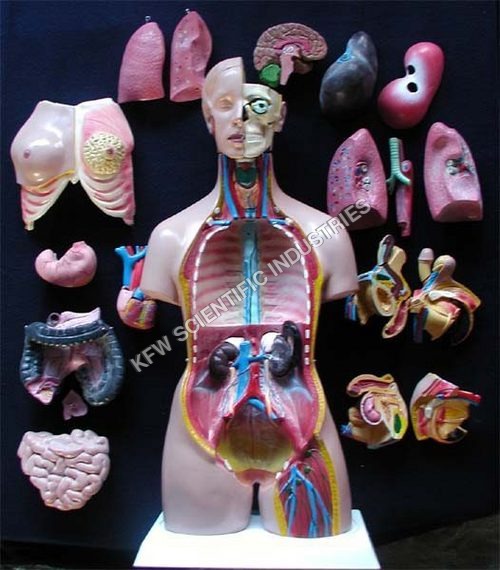
Tell us about your requirement

Price:
Quantity
Select Unit
- 50
- 100
- 200
- 250
- 500
- 1000+
Additional detail
Mobile number
Email

More Products in Laboratories Instruments Equipment Category
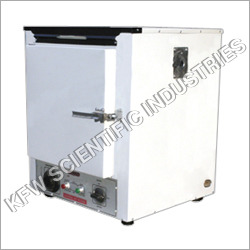
Hot Air Oven
Usage : Laboratory heating, drying, sterilization
Type : Lab Hot Air Oven
Voltage : 220 V
Feature : Double walled construction, energy efficient
Power Source : Electric
Weight : Approx. 45 kg
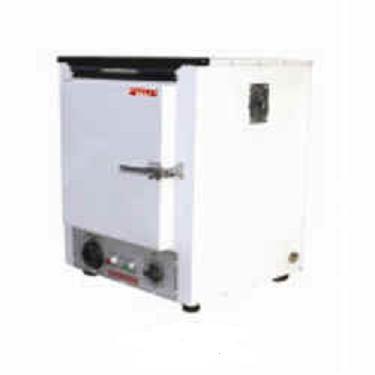
Hot Air Universal Oven
Usage : Industrial
Type : Industrial Hot Air Oven
Voltage : 110215 Volt (v)
Feature : Good Quality
Power Source : Electric
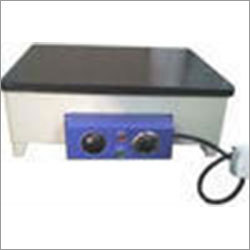
Hot Plate Rectangular
Usage : Laboratory heating applications
Type : Rectangular Hot Plate
Voltage : 230 V AC
Feature : Uniform heating, corrosion resistance, adjustable temperature control
Power Source : Electric
Weight : Approx. 6.5 kg
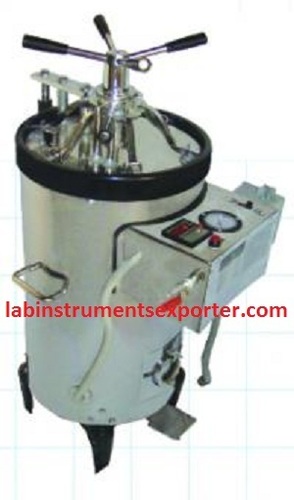
Autoclave Vertical
Usage : Laboratory Sterilization
Type : Vertical Autoclave
Voltage : 220 V AC
Feature : Double Safety Lock, Auto Pressure Release
Power Source : Electric
Weight : Approx. 45 kg

 Send Inquiry


Our Products
- Slit Lamp Ophthalmic Equipment
- Slit Lamp
- Surgical Equipments
- Laboratories Instruments Equipment
- Microscopes
- Scientific Instruments
- ENT Equipment
- Pharmacy instrument equipment
- Pathological Equipment
- Physics Lab Equipments
- Physics instruments
- Laboratory Glassware
- Digital Polarimeter
- Microprocessor Viscometer
- Double Beam UV-VIS Spectrophotometer
- Single Beam UV-Vis Spectrophotometer
- Kitchen equipments
- Dental Equipment
- Chapati Making Machines
- Water Heating System OR Hamam
- High Performance Liquid Chromatography Systems
- Chemistry
- Equipment Accessories
- Gynecology Equipment


B.O : 5430/3, Anaj Mandi, Science Market, Near Nigar Cinema,
R.O : 102-B Ram Nagar,Ambala Cantt - 133001, Haryana, India

Mr VISHAL KUMAR
(Managing Director)
Mobile :07971671031
 Send Inquiry
Developed and Managed by Infocom Network Private Limited.
