
Call us now :07971671031
 Send Inquiry
 Send Inquiry
Dropping Funnels
Dropping Funnels Specification
- Measurement Range
- 100ml - 2000ml Graduated
- Feature
- Graduated Markings, Stopcock for Flow Control, Tapered Joint for Leakproof Fitting
- Capacity
- 100 ml to 2000 ml
- Temperature Range
- Ambient to 120C (Depending on Glass Type)
- Model No
- DF-250 (example for 250ml)
- Automation Grade
- Manual
- Core Components
- Funnel, Glass Stopcock, Tapered Joint, Graduated Body
- Accuracy
- 5% of volume (graduated)
- Equipment Materials
- Borosilicate Glass
- Type
- Laboratory Dropping Funnel
- Usage
- Used for controlled addition of liquids in laboratory experiments
- Dimension (L*W*H)
- Depends on capacity, e.g., approx. 25cm(L) x 4cm(W) x 4cm(H) for 250ml
- Weight
- Varies as per capacity (approx. 150g to 400g)
- Application
- Ideal for titration, reagent addition, chemical synthesis
- Packaging
- Individual cardboard or bubble wrap packing
- Shape
- Cylindrical with conical tip
- Chemical Resistance
- High; suitable for acids, bases, solvents
- Stopcock Material
- PTFE or Glass
- Color
- Transparent with printed graduations
- Joint Size
- Standard ground joint sizes (e.g., 19/26, 24/29)
About Dropping Funnels
We are instrumental in manufacturing and exporting a quality range of Dropping Funnels. This range is mainly designed using superlative grade material, which is in adherence with the international quality standards and norms. Moreover, we stringently test this product line based on different quality parameters before it is dispatched to our clients. We strive to deliver our products within stipulated time-duration. Following are the properties of the products we offer:
- Durability
- Reliable performance
- Safe to use
Precision and Control for Laboratory Procedures
This laboratory dropping funnel ensures accurate, gradual addition of reagents, crucial for titrations and synthesis reactions. Its stopcock allows fine-tuned flow control, minimizing waste and enhancing experiment reliability. Printed graduations aid precise measurement, while the robust borosilicate glass construction guarantees chemical durability and heat tolerance.
Designed for Versatility and Compatibility
Standard ground joint sizes like 19/26 and 24/29 make the funnel compatible with common laboratory glassware. The transparent body with printed graduations ensures easy volume monitoring. Suitable for a wide range of chemicals, the funnel's chemical resistance is ideal for diverse laboratory applications.
Safe and Durable Construction
Constructed from borosilicate glass, these dropping funnels withstand temperatures up to 120C and resist corrosion from most acids, bases, and solvents. Each funnel is packed individually in cardboard or bubble wrap, reducing the risk of damage during shipment or storage.
FAQ's of Dropping Funnels:
Q: How do I use a laboratory dropping funnel to control liquid addition during experiments?
A: To use the dropping funnel, fill it with your liquid reagent, attach it securely to your setup using its standard ground joint, and use the stopcock to gradually release the liquid. The graduations help monitor the precise quantity added.Q: What are the chemical resistance properties of this dropping funnel?
A: The funnel, made from borosilicate glass with either a PTFE or glass stopcock, offers excellent resistance against acids, bases, and most organic solvents, ensuring longevity and reliability during laboratory use.Q: When is it beneficial to use a dropping funnel in laboratory procedures?
A: Dropping funnels are essential when you require slow, controlled addition of liquids-such as in titration, chemical synthesis, or when mixing reactive substances to prevent sudden reactions or splashes.Q: Where can I use the laboratory dropping funnel?
A: This dropping funnel is suitable for any laboratory setting, whether academic, industrial, or research, wherever precise liquid addition is required. Its ground joints fit standard laboratory glassware.Q: What is the typical process for cleaning and maintaining this dropping funnel?
A: Rinse thoroughly after use with suitable solvents or detergents, ensuring the stopcock is also cleaned. For stubborn residues, soaking in appropriate cleaning solutions is recommended. Inspect for cracks or wear regularly before use.Q: How does the graduated marking on the funnel enhance my workflow?
A: The printed graduations allow you to measure and dispense specific reagent volumes confidently, supporting procedural accuracy in all laboratory experiments and reducing the risk of errors.Q: What are the benefits of the stopcock material options (PTFE or glass)?
A: PTFE stopcocks offer superior chemical resistance, particularly to aggressive acids and solvents, and smooth flow control. Glass stopcocks provide an all-glass system, preferred for certain applications for purity and compatibility.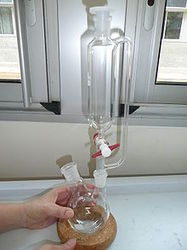
Tell us about your requirement

Price:
Quantity
Select Unit
- 50
- 100
- 200
- 250
- 500
- 1000+
Additional detail
Mobile number
Email

More Products in Scientific Instruments Category
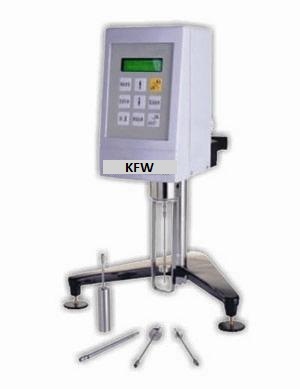
Microprocessor Viscometer
Feature : Automated measurement, easy calibration
Capacity : 10ml to 1000ml
Temperature Range : 0C to 60C
Equipment Materials : Stainless Steel & ABS Body
Usage : Viscosity measurement for laboratory and industrial applications
Type : Microprocessor Viscometer
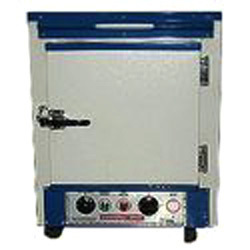
Hot Air Oven
Feature : Double Wall Construction, Uniform Air Circulation
Capacity : 45 Litres
Temperature Range : 50C to 250C
Equipment Materials : Stainless Steel (Interior), Mild Steel Powder Coated (Exterior)
Usage : Laboratory, Medical, Industrial use
Type : Laboratory Hot Air Oven
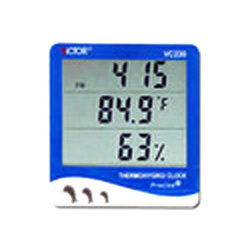
Hydrometer
Feature : Easy to Read Scale, Corrosion Resistant
Capacity : 0.98 g/cm3 to 1.09 g/cm3
Temperature Range : 0C to 60C
Equipment Materials : Glass
Usage : Measurement of liquid density/specific gravity
Type : Laboratory Hydrometer
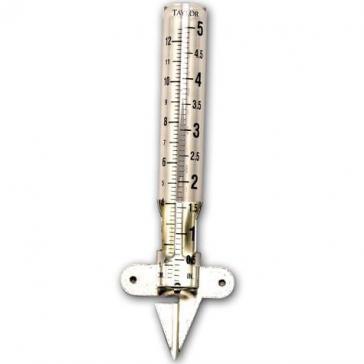
Rain Measurement Cylinder
Feature : UVResistant, Weatherproof, EasytoRead Markings
Capacity : 250 ml
Temperature Range : 10C to 50C
Equipment Materials : HighQuality Transparent Polycarbonate
Usage : Rainfall Measurement
Type : Manual Rain Gauge

 Send Inquiry


Our Products
- Slit Lamp Ophthalmic Equipment
- Slit Lamp
- Surgical Equipments
- Laboratories Instruments Equipment
- Microscopes
- Scientific Instruments
- ENT Equipment
- Pharmacy instrument equipment
- Pathological Equipment
- Physics Lab Equipments
- Physics instruments
- Laboratory Glassware
- Digital Polarimeter
- Microprocessor Viscometer
- Double Beam UV-VIS Spectrophotometer
- Single Beam UV-Vis Spectrophotometer
- Kitchen equipments
- Dental Equipment
- Chapati Making Machines
- Water Heating System OR Hamam
- High Performance Liquid Chromatography Systems
- Chemistry
- Equipment Accessories
- Gynecology Equipment


B.O : 5430/3, Anaj Mandi, Science Market, Near Nigar Cinema,
R.O : 102-B Ram Nagar,Ambala Cantt - 133001, Haryana, India

Mr VISHAL KUMAR
(Managing Director)
Mobile :07971671031
 Send Inquiry
Developed and Managed by Infocom Network Private Limited.
