
Call us now :07971671031
 Send Inquiry
 Send Inquiry
Evaporating Dishes
Evaporating Dishes Specification
- Automation Grade
- Manual
- Model No
- ED-series
- Capacity
- Multiple sizes available
- Feature
- Glazed interior for easy cleaning, chemical resistance
- Core Components
- Porcelain body, glazed interior
- Temperature Range
- Up to 1000C
- Equipment Materials
- High Grade Porcelain
- Type
- Laboratory Evaporating Dish
- Usage
- Used for evaporation of solutions and liquids in laboratory
- Dimension (L*W*H)
- Varies per capacity (e.g., 50 ml: 60 x 30 mm, 250 ml: 105 x 45 mm)
- Weight
- Varies with capacity (Approx. 25g to 250g)
- Shape
- Round with spout
- Chemical Resistance
- Resistant to most acids and alkaline solutions
- Heat Resistance
- High thermal stability
- Color
- White (Glazed finish)
- Application
- Commonly used in chemical, pharmaceutical, and academic laboratories
- Cleaning
- Easily cleanable due to glazed surface
- Stackability
- Stackable for easy storage
- Surface Type
- Glazed inner and outer surface, except rim
- Lid Availability
- Generally supplied without lid
About Evaporating Dishes
We bring forth a vast range of Evaporating Dishes that is manufactured using high quality raw material. These are extensively used for various applications in labs, educational institutes and associated industries. We make sure to use superior-quality packages for packing the products, so that these can be delivered safely. Moreover, we strive to deliver the products within stipulated time-duration. Given below are the features of our products:
- Corrosion resistance
- Optimum strength
- Compatibility
Superior Design for Laboratory Efficiency
Each evaporating dish features a round form with a spout, enhancing precision during pouring tasks. The robust porcelain construction ensures remarkable durability, while the glazed finish on both the interior and exterior (excluding rim) contributes to straightforward cleaning and increased longevity. Their stackable structure allows for convenient storage, even in space-limited laboratory environments.
Exceptional Heat and Chemical Resistance
Engineered to withstand temperatures up to 1000C, these dishes are suitable for high-temperature laboratory applications. Their composition allows them to endure exposure to most acids and alkaline solutions, ensuring reliable performance and resistance against corrosive substances encountered in chemical procedures.
Versatile Applications in Scientific Research
These porcelain evaporating dishes are employed in laboratories across chemical, pharmaceutical, and academic sectors. Their primary function includes the evaporation of solvents and liquids, making them indispensable for sample concentration, crystallization, and preparation processes. Available in various sizes, they address the diverse requirements of research and routine laboratory work.
FAQs of Evaporating Dishes:
Q: How should I use the round glazed evaporating dish in my laboratory experiments?
A: To use the evaporating dish, pour your solution into the dish and place it on a heat source compatible with high temperatures (up to 1000C). The wide, shallow design and spout facilitate evaporation and easy pouring of residues once the liquid has evaporated.Q: What benefits does the glazed surface of the evaporating dish provide?
A: The glazed inner and outer surfaces offer excellent chemical resistance and make the dish extremely easy to clean after use. This reduces the risk of cross-contamination between experiments and helps maintain the dishs integrity.Q: When is it appropriate to use this evaporating dish in laboratory work?
A: This evaporating dish is ideal for evaporation processes in laboratories, particularly when concentrating samples or removing solvents in chemical, pharmaceutical, and academic environments.Q: Where are these porcelain evaporating dishes commonly utilized?
A: These dishes are regularly used in chemical, pharmaceutical, and educational laboratories across India and internationally for evaporation and sample preparation tasks.Q: What is the cleaning process for the glazed laboratory evaporating dish?
A: After use, allow the dish to cool before cleaning. The glazed surface helps prevent sticking of residues, so it can be easily washed with laboratory detergents and water. Avoid using abrasive materials that might damage the glaze.Q: Are lids available for these evaporating dishes?
A: Generally, these evaporating dishes are supplied without lids to allow for efficient evaporation of solutions.Q: What are the advantages of the dishs stackable design?
A: The stackable design enables efficient storage, helps save space in laboratory cupboards, and prevents accidental damage when multiple dishes are used or stored together.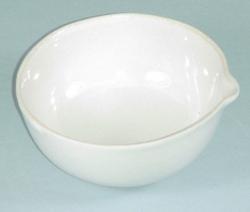
Tell us about your requirement

Price:
Quantity
Select Unit
- 50
- 100
- 200
- 250
- 500
- 1000+
Additional detail
Mobile number
Email

More Products in Scientific Instruments Category
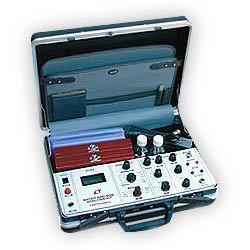
Soil Analysis Kits
Core Components : Reagents, Test Tubes, Pipettes, Color Comparator
Temperature Range : Ambient to 100C
Usage : Soil Nutrient & Fertility Analysis
Automation Grade : Manual
Weight : Approx 8 kg
Type : Portable Soil Testing Kit
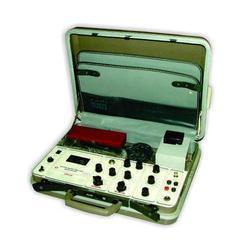
Microprocessor Soil Analysis Kits
Core Components : Microprocessor Unit, Sensors, Display Panel, Testing Probes
Temperature Range : 0C to 50C
Usage : Soil Analysis in Agriculture, Research Institutes, Laboratories
Automation Grade : SemiAutomatic
Weight : 810 Kg
Type : Microprocessor Soil Analysis Kit
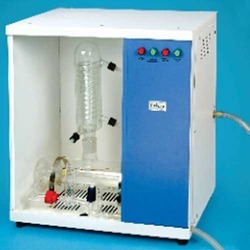
Automatic Water Distillation Equipment
Core Components : Heating Element, Condenser, Glass Boiler
Temperature Range : Room Temperature to 100C
Usage : Laboratory, Medical, Industrial
Automation Grade : Automatic
Weight : Approx. 1520 kg
Type : Automatic Water Distillation Equipment

Barometer
Core Components : Sensitive aneroid capsule, gear mechanism
Temperature Range : 40C to 60C
Usage : Weather and atmospheric pressure measurement
Automation Grade : Manual
Weight : Approx. 500g
Type : Aneroid Barometer

 Send Inquiry


Our Products
- Slit Lamp Ophthalmic Equipment
- Slit Lamp
- Surgical Equipments
- Laboratories Instruments Equipment
- Microscopes
- Scientific Instruments
- ENT Equipment
- Pharmacy instrument equipment
- Pathological Equipment
- Physics Lab Equipments
- Physics instruments
- Laboratory Glassware
- Digital Polarimeter
- Microprocessor Viscometer
- Double Beam UV-VIS Spectrophotometer
- Single Beam UV-Vis Spectrophotometer
- Kitchen equipments
- Dental Equipment
- Chapati Making Machines
- Water Heating System OR Hamam
- High Performance Liquid Chromatography Systems
- Chemistry
- Equipment Accessories
- Gynecology Equipment


B.O : 5430/3, Anaj Mandi, Science Market, Near Nigar Cinema,
R.O : 102-B Ram Nagar,Ambala Cantt - 133001, Haryana, India

Mr VISHAL KUMAR
(Managing Director)
Mobile :07971671031
 Send Inquiry
Developed and Managed by Infocom Network Private Limited.
