
Call us now :07971671031
 Send Inquiry
 Send Inquiry
Oil Bath (High Temp.) with Stirrer
Oil Bath (High Temp.) with Stirrer Specification
- Capacity
- 2 to 20 Liters (various models available)
- Accuracy
- 1C
- Automation Grade
- Semi-automatic
- Core Components
- Heater, Stirrer, Digital Controller, Inner Bath
- Measurement Range
- Up to 300C
- Feature
- Stable temperature, uniform heating, adjustable stirring speed
- Power Source
- Electric
- Model No
- Customized as per customer requirement (OB-HTS Series)
- Frequency
- 50 Hz
- Voltage
- 220/230 V AC
- Temperature Range
- Ambient +10C to 300C
- Equipment Materials
- Stainless Steel Inner Chamber, Mild Steel Powder Coated Outer Body
- Type
- High Temperature Oil Bath with Magnetic/Mechanical Stirrer
- Usage
- Laboratory heating and stirring applications requiring high temperature stability
- Display Type
- Digital temperature controller
- Dimension (L*W*H)
- Varies by model (e.g. 300 x 300 x 250 mm for 10L)
- Weight
- Approx. 15-30 kg depending on capacity
- Heater Capacity
- Immersion heater, power rating as per bath capacity (typically 1-2 kW)
- Application
- Pharmaceuticals, chemical labs, research, quality assurance testing
- Bath Construction
- Double-walled with high-grade glass wool insulation for heat retention
- Controller Type
- PID microprocessor-based digital controller
- Lid Material
- Stainless steel with concentric rings (removable)
- Stirring Speed
- Variable, typically 100-1200 RPM
- Stirrer Type
- Magnetic or mechanical (as per model)
- Protection
- Over-temperature safety cut-off and fuse protection
- Control Panel
- Separate control box for user safety and easy operation
About Oil Bath (High Temp.) with Stirrer
Oil Bath (High Temp.) with Stirrer
Double wall construction. Inner chamber made of highly polished stainless steel or copper sheet and outer made of mild steel duly finished in stoving enamel. Temperature range 50oC to 250oC + 2oC is controlled by a thermostat. Supplied complete with stirrer, diffuser shelves, cover etc. panel provided with on-off switch, pilot lamps thermostatic control knob etc.
Chamber Size in mm & Inches approx.
- 250x250x250 (10x10x10)
- 300x300x250 (12x12x10)
- 350x 350x250 (14x14x10)
Optional :-
i) Mercury contact thermometer and relay with accuracy better than 1C.
ii) Digital temp. Indicator- Cum- Controller.
iii) Microprocessor PID Digital temp. Indicator- cum- Controller .
iv) Digital temp. Indicator.
Advanced Temperature Control for Consistent Results
This oil bath employs a microprocessor-based PID controller, enabling precise digital regulation of temperatures up to 300C. The integrated over-temperature safety cut-off and fuse protection safeguards both the product and the workplace, ensuring operational safety during both short and extended heating cycles.
Flexible Stirring Mechanism for Diverse Applications
With stirring speeds ranging from 100 to 1200 RPM, users can select between magnetic or mechanical stirrers depending on the model and experimental needs. This flexibility accommodates a variety of laboratory mixing requirements, delivering uniform heat and agitation for reliable results every time.
Robust Construction for Laboratory Safety and Durability
Constructed from stainless steel for the inner chamber and finished with a powder-coated mild steel exterior, this oil bath offers longevity and chemical resistance. Glass wool insulation and a removable stainless steel lid with concentric rings help retain heat efficiently and facilitate user access during operation.
FAQ's of Oil Bath (High Temp.) with Stirrer:
Q: How does the PID microprocessor controller enhance temperature accuracy in the oil bath?
A: The microprocessor-based PID digital controller continuously monitors and adjusts the heating element, providing stable and precise temperature control with a typical accuracy of 1C, even at high temperatures up to 300C.Q: What types of stirrers are available and how do they benefit laboratory processes?
A: Depending on the model, you can choose between magnetic or mechanical stirrers. Both types provide adjustable stirring speeds (100-1200 RPM), ensuring thorough mixing and uniform heat distribution, which is essential for reproducible results in laboratory protocols.Q: When should I use a high-temperature oil bath instead of a water bath?
A: You should use a high-temperature oil bath for protocols requiring temperatures above the boiling point of water (100C). This equipment supports applications needing sustained temperatures up to 300C, making it suitable for processes in research, pharmaceuticals, and quality assurance testing.Q: Where can the oil bath with stirrer be installed and operated safely?
A: The unit is designed for laboratory benchtop installation. For safe operation, it should be placed in a well-ventilated area, on a stable, heat-resistant surface, and connected to a 220/230V AC power supply. Ensure the control panel and outer surfaces remain accessible during use.Q: What safety features are integrated into this oil bath?
A: Key safety features include a built-in over-temperature cut-off that deactivates the heater if temperatures exceed safe limits, fuse protection, glass wool insulation for heat containment, and a separate control panel to minimize user exposure to high temperatures.Q: How do I adjust the stirring speed and monitor temperature during operation?
A: Stirring speed can be adjusted (100-1200 RPM) using the controls on the separate control box. The digital display shows real-time temperature readings and allows users to set desired temperatures using the PID controller for precise monitoring.Q: What benefits does the double-walled construction provide?
A: The double-walled construction, filled with high-grade glass wool insulation, maximizes heat retention and minimizes energy consumption, ensuring stable operating temperatures and safe outer surface temperatures for user protection.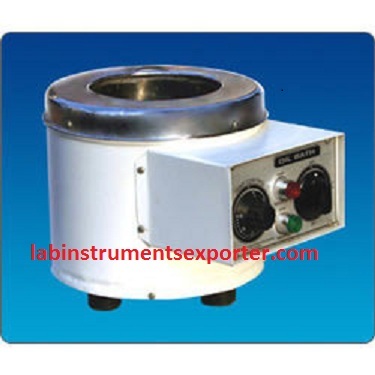
Tell us about your requirement

Price:
Quantity
Select Unit
- 50
- 100
- 200
- 250
- 500
- 1000+
Additional detail
Mobile number
Email

More Products in Laboratories Instruments Equipment Category
Tray Dryer
Power Source : Electric
Type : Tray Dryer
Model No : TSD24
Weight : Approx. 350 kg
Frequency : 50 Hz
Display Type : Digital LED
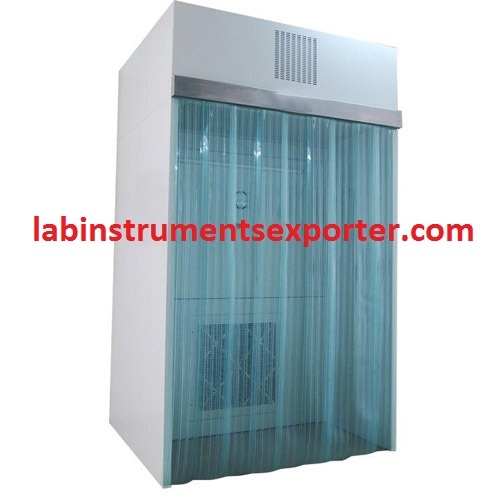
Dispensing Sampling Booth
Power Source : Electric
Type : Dispensing Sampling Booth
Model No : DSB1200
Weight : Approx. 250 kg
Frequency : 50 Hz
Display Type : Digital Control Panel
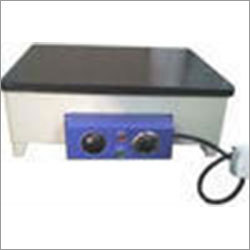
Hot Plate Rectangular
Power Source : Electric
Type : Rectangular Hot Plate
Model No : HPRECT400
Weight : Approx. 6.5 kg
Frequency : 50 Hz
Display Type : Analog
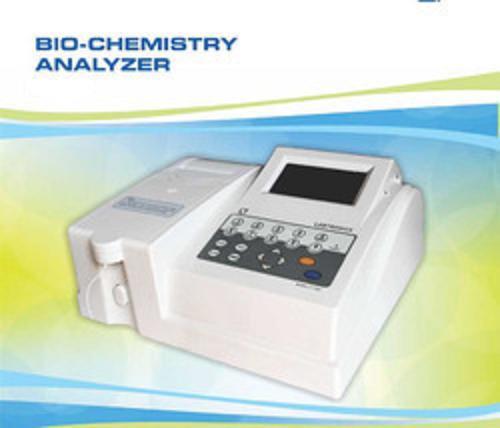
Bio-Chemistry Analyzer
Power Source : AC Power
Type : Fully Automated BioChemistry Analyzer
Model No : LabQ 300
Weight : 32 kg
Frequency : 50/60 Hz
Display Type : 7inch TFT LCD Touchscreen

 Send Inquiry


Our Products
- Slit Lamp Ophthalmic Equipment
- Slit Lamp
- Surgical Equipments
- Laboratories Instruments Equipment
- Microscopes
- Scientific Instruments
- ENT Equipment
- Pharmacy instrument equipment
- Pathological Equipment
- Physics Lab Equipments
- Physics instruments
- Laboratory Glassware
- Digital Polarimeter
- Microprocessor Viscometer
- Double Beam UV-VIS Spectrophotometer
- Single Beam UV-Vis Spectrophotometer
- Kitchen equipments
- Dental Equipment
- Chapati Making Machines
- Water Heating System OR Hamam
- High Performance Liquid Chromatography Systems
- Chemistry
- Equipment Accessories
- Gynecology Equipment


B.O : 5430/3, Anaj Mandi, Science Market, Near Nigar Cinema,
R.O : 102-B Ram Nagar,Ambala Cantt - 133001, Haryana, India

Mr VISHAL KUMAR
(Managing Director)
Mobile :07971671031
 Send Inquiry
Developed and Managed by Infocom Network Private Limited.
