
Call us now :07971671031
 Send Inquiry
 Send Inquiry
Digital Melting Point System
Digital Melting Point System Specification
- Power Source
- Electric (AC mains)
- Voltage
- 220V AC
- Automation Grade
- Semi-Automatic
- Accuracy
- ±1°C
- Capacity
- 2 capillaries per test
- Temperature Range
- Ambient to 350°C
- Model No
- DMP-100
- Core Components
- Heating block, digital controller, observation magnifier
- Measurement Range
- Up to 350°C
- Frequency
- 50 Hz
- Feature
- Bright LED illumination, keypad operation, reset function
- Equipment Materials
- Powder coated metal body with glass viewing window
- Type
- Digital Melting Point Apparatus
- Usage
- Laboratory analysis of melting points
- Display Type
- Digital backlit LCD display
- Dimension (L*W*H)
- 220 x 170 x 150 mm
- Weight
- Approx. 3.5 kg
- Sample Capacity
- 3 samples simultaneously
- Compliance
- Meets international pharmacopoeia standards
- Alarm
- Audio alarm at set temperature
- Observation Window
- Integrated high-clarity lens and illumination
- Heating Rate
- Adjustable, 1C/min to 10C/min
- Sample Holder
- Capillary tube type
- Overheating Protection
- Built-in safety cut-off
About Digital Melting Point System
Digital Melting Point Apparatus is a compact instrument designed for accurate determinations of melting points of solid samples.Salient Features:
- Cylindrical silicon oil bath
- Built-in magnetic stirrer with electronic speed controller.
- Electronic controller for adjusting the heating rate.
- Digital display of temperature with PT-100 sensor.
- Glare-free back-ground light with adjustable light intensity.
- Provision for holding the melting point displayDescription
Temperature Range | 20 above RT-2750C |
Readability | 10 |
Display | 3 Digit LED |
Heating Rate Control | Electronic |
Stirrer Speed Control | Electronic |
Temperature Sensor | PT-100 |
Advanced Observation and Control
Equipped with an integrated observation window, high-clarity lens, and LED illumination, the DMP-100 ensures optimal visibility during analysis. The adjustable heating rates and digital LCD display provide precise control over the testing process, while keypad operation and reset functions enhance convenience during laboratory use.
Safe and Efficient Laboratory Performance
Safety is prioritized with features such as built-in overheating protection and an audible alarm at the target temperature. The powder-coated metal body and glass viewing window ensure durability, while the instruments capacity to analyze three samples simultaneously maximizes laboratory efficiency.
FAQs of Digital Melting Point System:
Q: How does the Digital Melting Point System ensure precise measurements?
A: The DMP-100 offers an adjustable heating rate (1C/min to 10C/min), digital temperature control, and a high-accuracy (1C) sensor. These features, combined with the bright LED-illuminated observation window, deliver accurate and reproducible melting point determinations.Q: What is the process for testing samples with this apparatus?
A: To conduct a test, insert up to three capillary tubes containing samples into the sample holder. Set the desired heating rate and target temperature via the keypad. Observe the melting process through the integrated lens, and be alerted by an audio alarm when the set temperature is reached.Q: When should the built-in alarm and overheating protection be used?
A: The audio alarm alerts users when the set melting point is attained to prevent over-heating or manual oversight. The built-in overheating protection automatically cuts off power if the temperature exceeds safe limits, safeguarding both samples and equipment during continuous lab operation.Q: Where can this melting point apparatus be used?
A: The DMP-100 is suitable for pharmaceutical, chemical, and research laboratories requiring melting point analysis. Its compliance with international pharmacopoeia standards makes it ideal for regulated environments and quality control settings across India and beyond.Q: What are the main benefits of using this digital melting point system?
A: Key advantages include simultaneous analysis of multiple samples, user-friendly digital interface, reliable safety mechanisms, and adherence to international standards. Its compact design (220 x 170 x 150 mm) and lightweight build (approx. 3.5 kg) make it practical for any laboratory workspace.Q: How does the observation feature enhance the analysis process?
A: The systems high-clarity glass lens, magnifier, and bright LED illumination provide an unobstructed and detailed view of the samples melting process, enabling precise identification of melting points and improved accuracy of results.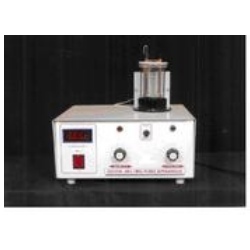
Tell us about your requirement

Price:
Quantity
Select Unit
- 50
- 100
- 200
- 250
- 500
- 1000+
Additional detail
Mobile number
Email

More Products in Scientific Instruments Category
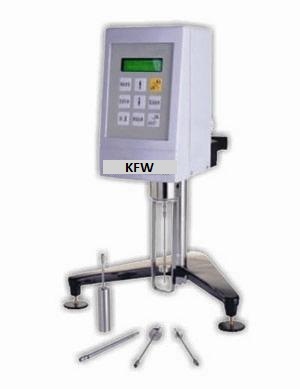
Microprocessor Viscometer
Weight : Net Weight: 5 kg
Temperature Range : 0°C to 60°C
Model No : MPV2024
Core Components : Microprocessor controller, display unit, sensor head
Capacity : 10ml to 1000ml
Feature : Automated measurement, easy calibration
Microprocessor Soil Analysis Kits
Weight : 810 Kg
Temperature Range : 0°C to 50°C
Model No : MSAK500
Core Components : Microprocessor Unit, Sensors, Display Panel, Testing Probes
Capacity : 500 samples/day
Feature : Portable, User Friendly, High Accuracy, Easy Maintenance
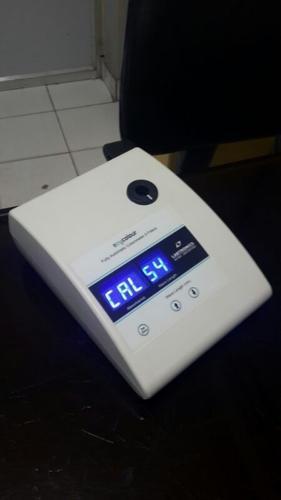
Ezycolor Colorimeter
Weight : 350 grams
Temperature Range : 10°C to 40°C
Model No : EC100
Core Components : Optical Sensor, Microprocessor, LCD Panel
Capacity : Single unit measurement
Feature : Ergonomic design, Userfriendly interface, Fast calibration
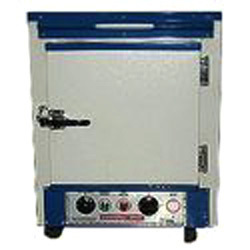
Hot Air Oven
Weight : Approx 35 Kg
Temperature Range : 50°C to 250°C
Model No : HAO45
Core Components : Heating Elements, Thermostat, Fan, Chamber
Capacity : 45 Litres
Feature : Double Wall Construction, Uniform Air Circulation

 Send Inquiry


Our Products
- Slit Lamp Ophthalmic Equipment
- Slit Lamp
- Surgical Equipments
- Laboratories Instruments Equipment
- Microscopes
- Scientific Instruments
- ENT Equipment
- Pharmacy instrument equipment
- Pathological Equipment
- Physics Lab Equipments
- Physics instruments
- Laboratory Glassware
- Digital Polarimeter
- Microprocessor Viscometer
- Double Beam UV-VIS Spectrophotometer
- Single Beam UV-Vis Spectrophotometer
- Kitchen equipments
- Dental Equipment
- Chapati Making Machines
- Water Heating System OR Hamam
- High Performance Liquid Chromatography Systems
- Chemistry
- Equipment Accessories
- Gynecology Equipment


B.O : 5430/3, Anaj Mandi, Science Market, Near Nigar Cinema,
R.O : 102-B Ram Nagar,Ambala Cantt - 133001, Haryana, India

Mr VISHAL KUMAR
(Managing Director)
Mobile :07971671031
 Send Inquiry
Developed and Managed by Infocom Network Private Limited.
